
WHEN YOUR BUILDING BECOMES PART OF YOUR BRAND
- Courtney Goffstein
- Published
- Updated September 29, 2026

At some point, the real estate conversation changes. "Where should we lease?" turns into "What are we building here?" For some businesses, the answer is: the building itself.
The financial case for ownership gets plenty of attention, and the rest of this report makes it well. But there's a return that never shows up in the lease-versus-own spreadsheet. Your building can become part of your brand.
After 20-plus years in commercial real estate marketing, I think a lot about how businesses tell people who they are. Logos, websites, social media, decks. But brands live in physical space too. For a medical practice, law firm, contractor, nonprofit or professional services company, the building is often the first impression.
Before a client meets your team, they've seen your address, pulled into your parking lot, walked past your signage and sat in your lobby. Every one of those moments said something about you, whether you meant it to or not. Ownership lets you decide what it says.
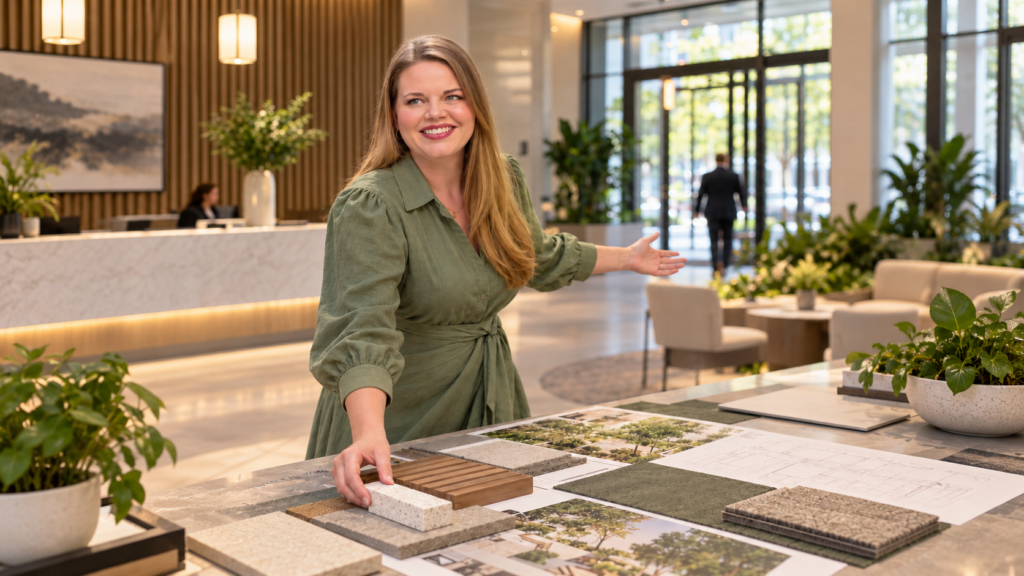
Occupying a Space vs. Owning an Experience
A tenant can build a beautiful suite. An owner gets to think bigger.
Ownership can give a business greater control over the experience surrounding its brand: exterior, signage, interiors, wayfinding, landscaping, amenities, how people move through the property. That matters because strong brands are consistent. If your website says "innovative" and your office says 1997, that's a disconnect. If you promise exceptional service and visitors can't find the front door, that's a disconnect. If you're recruiting top talent with a culture your workplace doesn't reflect, same problem.
None of this requires an extravagant building. It requires an intentional one. The goal isn't to impress for the sake of impressing. It's a space that matches the business inside it, and is unmistakably yours.
Your Address Can Become an Asset
Ownership brings permanence. A business that moves from leased space into its own property isn't just changing locations. It's claiming a spot in the market, and over time, the address starts to mean the company.
Think of the businesses in your community whose buildings you recognize before you spot the sign. The architecture, the corner, the entrance. That kind of recognition takes time, and ownership gives a business the opportunity to build it with greater permanence and control.
It pays off inside the walls too. A headquarters reinforces culture, helps recruiting, gives you a place to host clients and community partners, and sets the stage for photography, video, events and thought leadership. The building stops being where people happen to work and becomes where the company's story happens.
In other words, the real estate is a marketing asset.
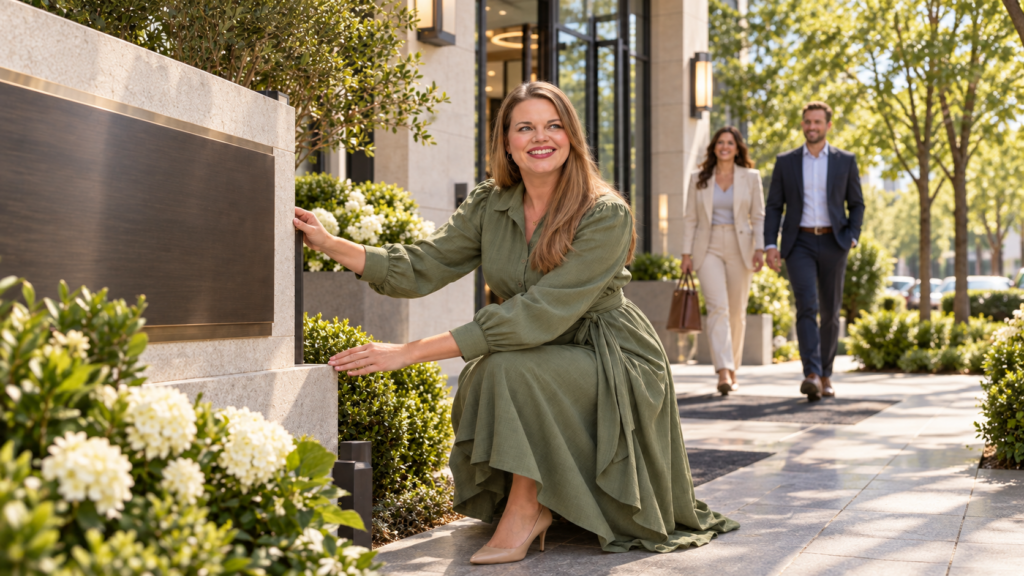
Don't Waste the Moment
Becoming an owner is a story, and most businesses barely tell it.
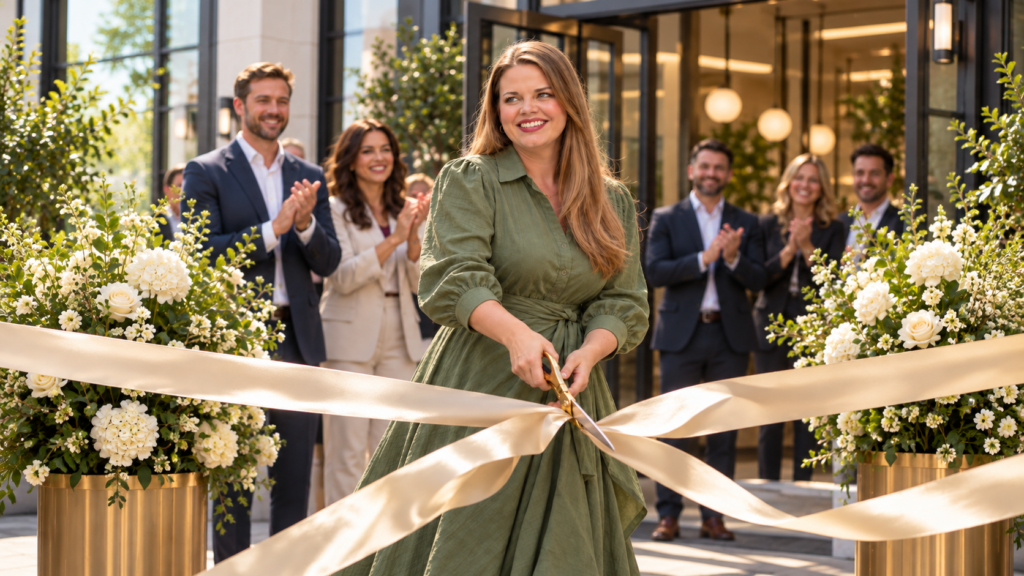
Buying the building is a milestone. So is renovating it, watching construction, hanging the sign, walking the team through for the first time and opening the doors. Those aren't logistics. They're chapters.
Each one is a chance to bring clients, employees and the community along. The purchase is an opportunity to communicate confidence in your future. The renovation shows how you're investing in it. The new headquarters connects where you've been to where you're headed. The grand opening is an excuse to reconnect with everyone who helped you get there.
If you've built a business substantial enough to buy its own real estate, don't let the story begin and end with a change-of-address email.
The Building Is Already Talking
The rest of this report evaluates buildings by the numbers, and rightly so: square footage, price per foot, financing, parking, location, future value. But an owner-user experiences a building differently than an investor does.
It's where your employees show up every morning, where clients learn to trust you, where relationships get built and where the next chapter takes shape. Once your name is on the building, the real estate becomes part of the story people tell about you.
The building is already talking. The question is whether you're deciding what you want it to say.
Keep reading
The full Fall 2026 Owner-User Report covers the financial case in depth: square footage, price per foot, financing, parking, location and future value.
Read the Fall 2026 Owner-User ReportCourtney Goffstein
Co-Founder, The Co-Mission